Lymphatic Detox Supplements: Safety & Side Effects
Are lymphatic detox supplements safe to take?
For most healthy adults, gentle lymph and detox blends are generally well tolerated at label doses, but "safe" depends on the details. Diuretic herbs, high selenium, drug interactions and pregnancy all change the picture. These products are not FDA-approved to treat disease and should never replace medical care for swelling.
- Look for third-party testing (USP, NSF or an ISO-accredited lab) and a GMP-certified facility.
- Be cautious with diuretic herbs like dandelion if you take water pills, blood-pressure drugs or lithium.
- Skip them entirely in pregnancy, and see a doctor for any persistent, painful or one-sided swelling.
Supplements marketed for "lymphatic detox" sit in one of the least regulated corners of the health aisle, and the word detox does a lot of heavy lifting in the marketing. That does not automatically make them dangerous — most are gentle botanical-and-mineral blends — but "gentle" is not the same as "risk-free for everyone." This guide walks through what these products actually contain, the side effects worth knowing, the drug interactions to raise with your pharmacist, and the people who should skip them altogether. We are an affiliate publisher, and we would still rather you understood the cautions than bought on impulse.
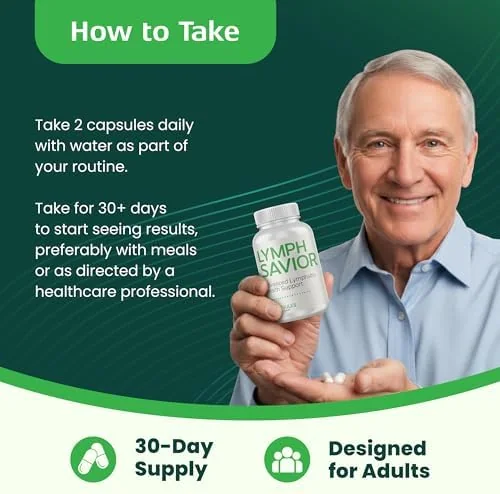
What "lymphatic detox" supplements actually contain
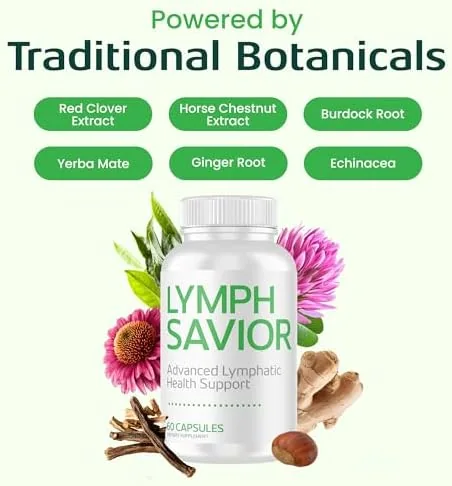
Before you can judge safety, you have to know what is in the bottle. Formulas vary, but the usual cast is fairly predictable. There are traditional "lymphatic" herbs such as cleavers, red root and burdock; classic diuretic or "cleansing" plants like dandelion; immune-leaning botanicals such as echinacea and astragalus; and one or two trace minerals, most often selenium and sometimes zinc. None of these ingredients "flush" the lymphatic system in the way the packaging implies, and no finished lymph blend has been tested as a drug. What they are is a stack of individually studied nutrients and herbs — and each one comes with its own safety profile that gets inherited by the blend.
That framing matters because a supplement's overall risk is roughly the sum of its parts plus how you use it. A single trace mineral at a modest dose is low-risk. Several diuretic herbs stacked together, taken alongside a prescription water pill, in someone who is already dehydrated, is a very different situation. Same category, very different safety math.
Are they safe? The honest, qualified answer
For a healthy, non-pregnant adult who is not on interacting medication, a reputable lymph or detox supplement taken at the label dose is generally low-risk. The ingredients are food-derived or traditionally used, the doses are usually modest, and serious adverse events are uncommon. That is the reassuring part, and it is true.
The qualifier is that "supplement" is a regulatory category, not a safety guarantee. In the United States, these products are regulated as foods, not drugs. That means a manufacturer does not have to prove a product is safe or effective before selling it, and the FDA generally acts only after problems surface. Quality therefore varies enormously between brands, and the burden of vetting falls on you. The single most useful thing you can do is buy from a company that puts its products through independent, third-party testing and manufactures in a GMP-certified facility — that is what separates a predictable product from a mystery one.
The side effects worth knowing
Reported side effects from this category are usually mild, self-limiting and dose-related. Still, you should recognise them so you can tell an expected nuisance from a reason to stop.
Digestive upset
The most common complaints are gastrointestinal: nausea, stomach cramping, loose stools or mild diarrhoea, especially in the first week or when taken on an empty stomach. Taking the capsule with food and water usually settles this. Persistent or severe digestive symptoms are a signal to stop and reassess, not to push through.
Diuretic effects and electrolytes
Herbs like dandelion have a mild diuretic action, meaning you may urinate more. On its own that is minor, but combined with hot weather, hard exercise, low fluid intake or an actual prescription diuretic, it can nudge you toward dehydration or an electrolyte imbalance. Increased thirst, light-headedness on standing, or muscle cramps are cues to drink more and consider whether the product is right for you.
Allergic reactions
Several of these plants — echinacea, dandelion and burdock among them — belong to the daisy (Asteraceae) family. If you are allergic to ragweed, marigolds, daisies or chrysanthemums, you have a higher chance of a reaction, which can range from mild itching or rash to, very rarely, something more serious. Any swelling of the lips or throat, or difficulty breathing, is a medical emergency, not a side effect to monitor.
Too much selenium
Selenium is a genuine, useful trace mineral, but its safe range is narrow. The tolerable upper intake level for adults is 400 mcg per day from all sources, and chronically exceeding it can cause selenosis — hair loss, brittle nails, a garlic breath odour, and digestive or nerve problems. If you take a lymph blend containing selenium alongside a multivitamin and a separate mineral supplement, it is easy to stack up more than you realise. Add up every label.
Drug interactions to flag with your pharmacist
This is where "gentle" supplements can quietly cause trouble, because interactions do not announce themselves. The categories below are the ones most worth raising before you combine anything.
- Diuretics and blood-pressure medication. Diuretic herbs can add to the effect of prescription water pills and some antihypertensives, potentially lowering blood pressure or potassium more than intended.
- Lithium. Anything with a diuretic action can change how the body clears lithium, which has a very narrow safe range. This combination should only happen under a prescriber's supervision.
- Immunosuppressants. Immune-stimulating herbs such as astragalus and echinacea may work against drugs designed to suppress the immune system, including those used after transplants or for autoimmune conditions.
- Diabetes medication. Some of these botanicals can nudge blood sugar, so monitor more closely if you are on insulin or oral glucose-lowering drugs.
- Blood thinners. Certain herbs and high-dose antioxidants can theoretically affect bleeding risk; if you take warfarin or a newer anticoagulant, clear it first.
The practical rule is simple: bring the actual bottle, or a photo of the full ingredient panel, to your pharmacist. They can check it against your medication list in a couple of minutes, and that short conversation is the single highest-value safety step in this whole article.
Pregnancy, nursing, and who should not take them
Pregnancy and breastfeeding are the clearest "no" in this category. Many diuretic and cleansing herbs have simply never been tested for safety during pregnancy, and several are traditionally avoided. Absence of evidence is not evidence of safety, so the responsible default is to avoid them entirely unless a qualified professional advises otherwise. The same caution applies if you are trying to conceive.
Beyond pregnancy, a handful of groups should be especially careful or steer clear without medical sign-off: people with kidney disease (the diuretic and mineral load matters), anyone with an autoimmune condition or on immune-modulating drugs, people with gallbladder or bile-duct problems (some "cleansing" herbs stimulate bile), those with known Asteraceae allergies, and anyone scheduled for surgery, who should stop most supplements a couple of weeks beforehand. Children should not take adult detox blends at all.
Persistent, painful, or one-sided swelling is a reason to see a doctor, not a reason to buy a stronger supplement. Swelling can have serious causes, and no capsule is a substitute for a diagnosis.
How to choose a lower-risk product
If you have decided a lymph or detox supplement is reasonable for you, the brand and the label do most of the safety work. Run through this quick checklist before you buy:
- Third-party tested. Look for a USP or NSF mark, or a published certificate of analysis from an ISO-accredited lab, confirming identity, potency and screening for heavy metals and contaminants.
- GMP-certified, transparent manufacturing. A named, Good Manufacturing Practice facility beats a vague "made in a certified lab" claim.
- A full, quantified ingredient panel. Every ingredient and its dose should be listed. "Proprietary blend" with no amounts makes it impossible to judge selenium or diuretic load.
- Realistic claims. Products promising to "flush toxins," "melt swelling" or "cleanse your lymph overnight" are signalling marketing over evidence.
- Doses within safe limits. Cross-check anything with a defined upper limit, selenium above all, against your other supplements.
When a supplement is the wrong tool
It is worth saying plainly: the best-evidenced things for healthy lymph flow are free and boring — regular movement, adequate hydration, and keeping excess sodium in check. A supplement can only ever sit on top of those basics. And if you are reaching for a detox blend to deal with a specific medical symptom — noticeable swelling, tenderness, redness, or swelling on one side of the body — that is precisely the situation where a product is the wrong tool and a clinician is the right one. Lymphoedema and other causes of swelling are managed with proper diagnosis, compression, manual lymphatic drainage and, where relevant, medication, not with an over-the-counter capsule.
The bottom line
Lymphatic detox supplements are, for most healthy adults, a low-risk thing to try when bought from a transparent, third-party-tested brand and used at the label dose. The real risks are concentrated in specific situations: diuretic herbs stacked with prescription diuretics or lithium, immune herbs against immunosuppressants, easily-exceeded selenium, allergies to daisy-family plants, and pregnancy. None of these products are FDA-approved to treat disease, and none should stand in for medical care when something is actually wrong. Read the whole label, add up your minerals, ask your pharmacist, and keep your expectations honest — do that, and the safety question mostly answers itself.
Frequently asked questions
Are lymphatic detox supplements safe?
For most healthy adults, the gentle botanicals and minerals in these blends are generally well tolerated at label doses. "Safe" is not an absolute, though. Diuretic herbs, dosing errors and drug interactions all carry real risk, and supplements are not FDA-approved to treat disease. Choose third-party-tested products and speak with your doctor before you start.
What are common side effects of lymph supplements?
The most common complaints are mild and digestive: nausea, loose stools, stomach upset, or more frequent urination from diuretic herbs such as dandelion. Some people notice increased thirst or, rarely, allergic reactions to plants in the daisy family. Chronically high selenium can cause hair or nail changes over time.
Can lymphatic supplements interact with medications?
Yes. Diuretic herbs can add to the effect of prescription water pills, blood-pressure drugs and lithium, and immune herbs like astragalus may interfere with immunosuppressants. Selenium and other minerals can interact too. Always share your full supplement list with your pharmacist or doctor before combining anything new.
Should you take these supplements while pregnant?
Not without medical guidance. Many diuretic and "cleansing" herbs have never been tested for safety in pregnancy or breastfeeding, and several are traditionally avoided. If you are pregnant, nursing or trying to conceive, treat these products as off-limits until a qualified healthcare professional tells you otherwise.
Related reading
- Horse Chestnut Extract for Swelling: What the Evidence Shows
- Dandelion Root as a Natural Diuretic for Lymph Support
- Selenium's Role in Immune and Lymphatic Support
- Lymphatic Detox: Myths vs. Facts
Thinking about trying Lymph Savior?
See the current label, the third-party details, and today's availability before you decide.
Check Availability & Pricing