Lymphatic Drainage vs Manual Lymph Massage: The Real Difference
Two very different things share one name. Search "lymphatic drainage" and you will find both a rigorous clinical therapy used in hospitals and a soothing spa treatment sold for a flatter stomach and less puffy face. They are not the same discipline, they do not have the same evidence behind them, and they are not for the same person. Confusing the two is how people end up paying spa prices expecting a medical result, or skipping proper care because a 60-minute massage felt like enough. Here is how to tell them apart and match the method to your actual goal.
What's the difference between lymphatic drainage and manual lymph massage?
Manual lymphatic drainage (MLD) is a certified clinical technique used mainly to manage lymphedema, delivered by trained therapists as part of Complete Decongestive Therapy. A spa "lymphatic drainage massage" shares the name but targets temporary puffiness and relaxation. One is medical care; the other is wellness. Match the method to your actual goal.
- MLD: clinical, certified, for lymphedema and post-surgical swelling.
- Spa drainage massage: wellness, for temporary puffiness and relaxation.
- Persistent or one-sided swelling always needs a doctor first, not a spa booking.
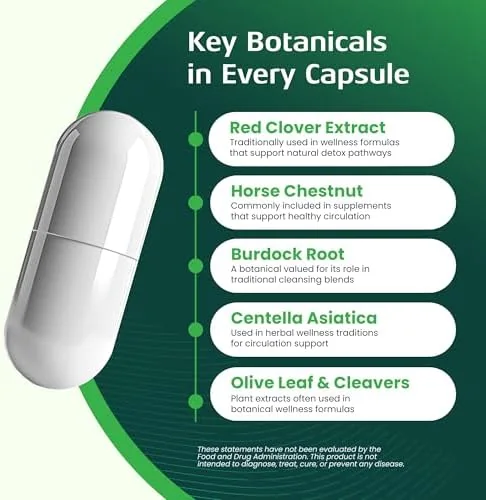
One name, two disciplines
The lymphatic system is a one-way drainage network of thin vessels and nodes that clears excess tissue fluid, carries immune cells, and absorbs certain dietary fats. Crucially, it has no heart-style pump. Lymph is nudged along by the squeeze of skeletal muscles, the pressure changes of breathing, and the gentle pulsing of the vessel walls themselves. Because the system is so low-pressure and superficial, the idea of "helping it along" with the hands is genuinely plausible — and that is where both techniques come from. The problem is that the same phrase now covers a hospital protocol and a beauty-room upsell.
What Manual Lymphatic Drainage (MLD) actually is
Manual lymphatic drainage is a specific, standardised set of movements developed in the 1930s by Emil and Estrid Vodder and later refined into named schools such as Vodder, Leduc, Casley-Smith and Földi. A trained MLD therapist uses very light, rhythmic, stretching strokes — often lighter than most people expect, barely more than skin-deep — in a deliberate sequence that clears the neck and trunk nodes first, then coaxes fluid from a congested limb toward a working drainage route. The pressure is low on purpose: pressing hard collapses the delicate surface vessels rather than filling them.
MLD is rarely used on its own. In practice it is one pillar of Complete Decongestive Therapy (CDT), the standard conservative care for lymphedema, which also includes compression bandaging or garments, remedial exercise, and meticulous skin care. Therapists complete accredited training, often over many days of hands-on instruction, and work from a diagnosis. This is the version of "lymphatic drainage" that lives in physiotherapy clinics, cancer-rehabilitation programmes and post-surgical recovery, not in a weekend spa package.
What "spa lymphatic drainage massage" is
The spa version borrows the vocabulary and some of the light-touch feel, but its purpose is different. It is a wellness and beauty treatment marketed for a temporarily flatter tummy, a less puffy face, "sculpted" contours before an event, or simply relaxation. Some practitioners are genuinely skilled and gentle; others apply firm pressure that has little to do with real MLD. There is no requirement to hold a clinical MLD certification to advertise a "lymphatic drainage massage," and the results people notice are usually short-lived shifts in surface fluid rather than any lasting change.
None of that makes the spa treatment worthless. Feeling relaxed, taking an hour to breathe slowly, and seeing a little less puffiness before a wedding are perfectly reasonable things to buy. The honesty problem starts only when a wellness treatment is sold with medical-sounding promises it cannot keep.

What the evidence says about each
For lymphedema, the picture is reasonably clear. Systematic reviews find that MLD is beneficial as part of CDT, and that the combined programme — especially compression plus exercise — drives most of the volume reduction. The evidence for MLD used entirely alone is weaker and mixed, which is exactly why clinicians deliver it inside a package rather than as a standalone cure. It is a real, guideline-supported therapy with realistic, measurable goals: reducing limb volume, easing heaviness, and keeping tissue healthy.
For the spa version in healthy people, high-quality evidence is thin. Small studies and a lot of anecdote suggest people feel less bloated and more relaxed afterward, and reducing surface fluid can visibly change how a face or belly looks for a day or two. What there is no good evidence for is fat loss, "detoxification," permanent inch loss, or curing any condition. Setting that expectation up front is the difference between a satisfying treat and a disappointment.
MLD earns its evidence by being modest and specific: reduce limb volume, ease heaviness, protect skin. The trouble starts when a relaxing spa hour is sold with the same clinical promise.
Who each one is for
Choose a trained MLD therapist if you are managing diagnosed lymphedema, dealing with swelling after lymph-node removal or cancer treatment, recovering from certain surgeries where a surgeon or physiotherapist has recommended it, or living with chronic venous or lymphatic issues under medical guidance. In those situations the technique, the training and the wider CDT programme genuinely matter.
A spa drainage massage is a fine choice if you are a healthy person who simply wants to feel de-puffed and relaxed, likes the ritual, and understands you are buying a short-term, feel-good result. Think of it the way you would a facial: pleasant, low-stakes, not medicine.
One rule cuts across both: if you have swelling that is new, persistent, painful, one-sided, or coming with skin changes or shortness of breath, do not self-diagnose and do not book a massage to "fix" it. See a doctor. Swelling can signal issues that need medical assessment, and a spa session can delay the care you actually need.
Can at-home massage replace professional MLD?
For a genuine medical condition, no. Therapists often teach patients a simplified "self-drainage" routine to do between appointments, but it is designed as a supplement to professional MLD, compression and review, not a substitute for them. Trying to self-manage lymphedema from online videos alone can mean applying the wrong pressure in the wrong order and missing the compression component that does most of the work.
For everyday puffiness in an otherwise healthy body, gentle self-massage is a reasonable, low-cost habit — and it pairs naturally with the things that move lymph best anyway: regular movement, staying hydrated, deep breathing, and keeping excess sodium in check. Those cost nothing and are the most dependable levers you have.
Where a supplement fits in all this
It is worth being blunt about what a capsule can and cannot do here. No oral product performs manual lymphatic drainage, and none replaces a therapist or a diagnosis. A gentle botanical-and-mineral formula like Lymph Savior is best understood as daily nutritional support that sits alongside movement, hydration and, where relevant, professional care — not as an alternative to any of them. If you want the full ingredient-by-ingredient view, read our evidence review before you decide, and keep your expectations grounded in what each tool realistically offers.
The bottom line
"Lymphatic drainage" is really two things wearing the same label. Manual lymphatic drainage is a certified clinical technique with a real, if modest, evidence base for lymphedema when delivered inside Complete Decongestive Therapy. Spa "lymphatic drainage massage" is a wellness treatment that can leave you relaxed and temporarily less puffy. Both are legitimate when you use them for what they actually do — and any new or stubborn swelling belongs with a doctor first.
Related reading
- A step-by-step guide to lymphatic drainage massage at home
- How long lymphatic drainage results take: a realistic timeline
- Where do "toxins" actually go after lymphatic drainage?
- Lymphatic detox myths vs facts: what's real
Frequently asked questions
What is the difference between MLD and spa lymph massage?
Manual lymphatic drainage (MLD) is a precise, light-pressure clinical technique taught in accredited courses and delivered by trained therapists, most often as part of treatment for lymphedema. A spa lymphatic drainage massage borrows the name but is a wellness treatment aimed at temporary de-puffing and relaxation, with no clinical certification required.
Is manual lymphatic drainage medically recognized?
Yes. MLD is a recognised component of Complete Decongestive Therapy, the standard conservative care for lymphedema, and is used in physiotherapy and post-surgical rehabilitation. The evidence is strongest when MLD is combined with compression, exercise and skin care rather than used on its own.
Who needs professional lymphatic drainage?
People managing diagnosed lymphedema, swelling after lymph-node surgery or cancer treatment, or certain post-operative recovery are the ones who benefit from a trained MLD therapist. If you have unexplained, persistent or one-sided swelling, see a doctor first rather than booking a spa session.
Can I replace MLD with at-home massage?
Not for a medical condition. Simplified self-drainage can be taught by a therapist as an addition to professional care, but it does not replace clinical MLD, compression or medical review. For everyday puffiness in healthy people, gentle self-massage and daily movement are reasonable, low-risk habits.
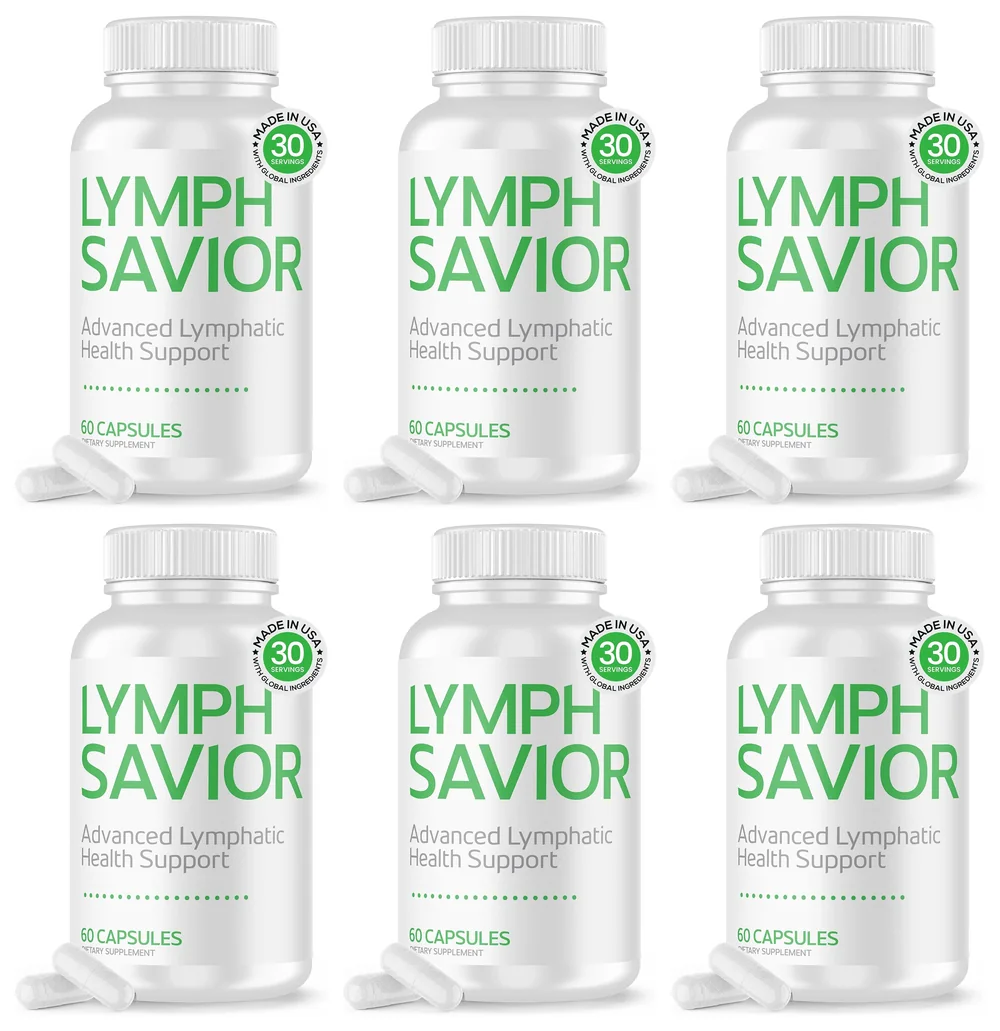
Support your routine between sessions
If you want gentle daily support alongside movement and hydration, see every ingredient and today's pricing.
Order Now