Burdock Root for Lymphatic Support: Benefits & Facts
By the LymphSavior Editorial Team · Reviewed against primary sources · Updated 9 August 2026 · about 8 min read
Burdock root (Arctium lappa) is one of the most recognisable names on a lymphatic or "cleansing" supplement label, and it has earned that place through centuries of use rather than through a stack of clinical trials. That distinction matters. Below we separate what burdock root is genuinely known for — its food history, its antioxidant chemistry and its traditional role — from the flow-boosting claims that the human evidence does not yet support. As an affiliate publisher, we would rather you understood exactly where the facts stop than bought on a promise the plant can't keep.
What does burdock root do for lymphatic support?
Burdock root is a traditional "cleansing" herb used in folk medicine to support the body's normal drainage, with a mild diuretic reputation that may slightly reduce temporary fluid retention. It is a genuine source of antioxidants and inulin fibre, but human trials have not shown it measurably moves lymph — so treat it as gentle, food-based support, not a treatment.
- Long traditional use as an "alterative" or cleansing botanical, not a proven drainage agent.
- Mild diuretic reputation; may ease short-term puffiness but is not a substitute for medical diuretics.
- Real antioxidant and inulin content, with limited controlled human data on lymphatic outcomes.
Where burdock root comes from
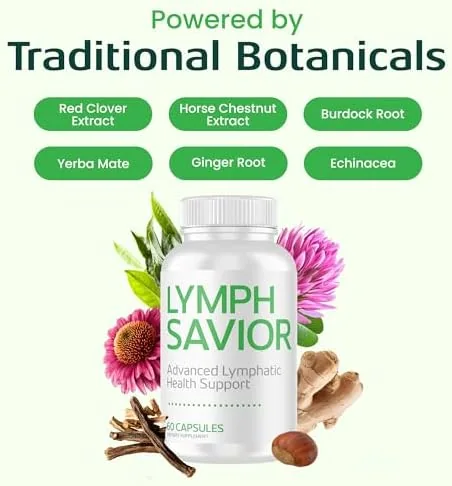
Burdock is a tall, thistle-like plant native to Europe and Asia and now naturalised across North America. Its long taproot is the part used, and it has a genuine culinary life: in Japan it is eaten as a vegetable called gobo, prized for a mild, earthy sweetness and a satisfying crunch. That food history is important context. A plant people have safely eaten for generations starts from a very different safety baseline than a novel isolated compound, which is one reason burdock is considered gentle and well tolerated for most healthy adults.
In herbal tradition, burdock is classed as an "alterative" — an old category of herbs believed to gradually restore healthy function to the body's channels of elimination. Alongside cleavers, red root and dandelion, it became a fixture of the blends marketed for skin, "blood cleansing" and lymphatic health. The word "cleansing" here is a traditional descriptor, not a measured pharmacological action, and keeping that difference in mind is the whole game when you read a modern label.
The antioxidant and fibre profile
The most defensible thing to say about burdock is that it contains real, identifiable plant compounds. Laboratory analyses have found phenolic acids such as chlorogenic and caffeic acid, along with quercetin and other flavonoids and a group of compounds called lignans. These are the same broad families of antioxidants found across many colourful plants, and in test-tube studies they can neutralise free radicals. Burdock root is also notably rich in inulin, a prebiotic fibre that feeds beneficial gut bacteria.
Here is the honest caveat that responsible coverage has to include: antioxidant activity measured in a dish, or a favourable nutrient panel, does not automatically translate into a measurable benefit for the lymphatic system in a living person. The step from "contains antioxidants" to "improves lymphatic drainage" is exactly the step that has not been demonstrated in good human trials. Burdock's chemistry is a reasonable basis for calling it a nourishing botanical; it is not, on its own, proof of a lymphatic effect.
Burdock's mild diuretic reputation and fluid balance
Burdock root has a long-standing reputation as a mild diuretic — a substance that gently increases urine output. In traditional practice this is the mechanism people point to when they say burdock helps with puffiness or a feeling of being "waterlogged." If a herb nudges the kidneys to release a little more fluid, it can, in principle, reduce the temporary water retention that leaves ankles or fingers feeling swollen after a salty meal or a long flight.
Two things keep this modest. First, the diuretic effect of burdock has not been carefully quantified in controlled human studies, so its strength is uncertain and almost certainly gentle. Second, easing temporary fluid retention is not the same as "draining the lymphatic system." Water retention and lymphatic flow overlap in how they feel, but they are different processes. A mild diuretic can make you feel less puffy for a day without doing anything measurable to the lymph vessels themselves. That is a reasonable, honest benefit to expect — and a reason not to overpromise.
The best-evidenced ways to help fluid move — walking, hydration, and cutting excess sodium — are free. A traditional herb like burdock can sit on top of those basics; it cannot replace them.

What the human evidence actually shows
This is where candour is essential. Most of the research on burdock root is preclinical — cell cultures and animal models exploring antioxidant, anti-inflammatory and blood-sugar effects. Those studies are genuinely interesting, but they are early-stage science, and effects in a petri dish routinely fail to appear in people. The small number of human studies has looked mainly at things like osteoarthritis markers or skin, not at lymphatic flow. We could find no well-designed clinical trial in humans showing that oral burdock root measurably increases lymphatic drainage.
None of that makes burdock worthless. It makes it a traditional botanical with a plausible nutritional profile and a thin clinical file for the specific "lymphatic" claim. The correct posture is neither dismissal nor hype: burdock is a reasonable, low-risk ingredient to include in a gentle daily blend, valued for tradition and its antioxidant content, while everyone waits for stronger human data on drainage specifically.
How burdock root is taken in supplements
Burdock reaches you in several forms. Dried, powdered root inside capsules is the most common in blends; liquid tinctures and teas are popular in traditional herbalism; and some products use concentrated extracts, occasionally standardised to a marker compound. Traditional teas are often made with a few grams of dried root, while capsule doses vary widely by product. In a multi-ingredient formula such as Lymph Savior, burdock is one botanical among several, so the amount is set by the Supplement Facts panel on the bottle rather than by any universal standard. Where a verified milligram figure isn't printed, the honest move is to say so rather than guess.
Two practical rules follow. Don't stack multiple burdock products at once thinking more is better — with a mild diuretic herb, that mostly raises the odds of side effects without a matching payoff. And give any supplement a fair trial window. Judging a gentle botanical over 8 to 12 weeks of consistent use, paired with hydration and daily movement, tells you far more than a few days ever will.
Safety, interactions and who should be cautious
For most healthy adults, burdock in food and typical supplement amounts is well tolerated. The clearest caution is allergy: burdock belongs to the Asteraceae (daisy) family, so people who react to ragweed, chrysanthemums, marigolds or daisies may react to it too. Because of its diuretic reputation, burdock could theoretically add to the effect of prescription diuretics or affect fluid and electrolyte balance, and some traditional sources note a possible blood-sugar-lowering tendency worth watching if you take diabetes medication.
Pregnant and breastfeeding people should avoid burdock unless a clinician advises otherwise, and it is sensible to stop it, like many botanicals, in the couple of weeks before planned surgery. A genuine historical footnote worth knowing: reports of "burdock poisoning" have traced back to teas contaminated with belladonna root, not to burdock itself — another argument for buying from reputable manufacturers with proper quality controls. As always, talk to a qualified healthcare professional before starting burdock if you take medication or manage a health condition.
The bottom line on burdock root
Burdock root is a well-tolerated, food-grade botanical with real antioxidants, a useful prebiotic fibre and a centuries-old place in traditional cleansing and lymphatic formulas. Its mild diuretic reputation offers a plausible route to easing short-term puffiness. What it does not have is human trial evidence that it "drains" lymph, so the right expectation is gentle, everyday support alongside the habits that genuinely move fluid — not a detox or a cure. Judged on those terms, burdock is a sensible, low-risk ingredient rather than a miracle one.
Frequently asked questions
What does burdock root do for the lymphatic system?
In traditional Western and folk herbalism, burdock root is grouped with the "alterative" or cleansing herbs used to support the body's normal drainage and elimination, including lymph. Modern human trials have not measured lymphatic flow after taking it, so this use rests on tradition and its antioxidant content rather than clinical proof of drainage.
Is burdock root a diuretic?
Burdock root has a long-standing reputation as a mild diuretic, meaning it is traditionally thought to increase urine output and may modestly reduce temporary fluid retention. This effect is gentle and not well quantified in controlled human studies, so it should not be relied on the way a prescription diuretic is, and anyone on diuretic medication should speak to a clinician first.
How is burdock root taken in supplements?
Burdock most often appears as a dried root powder or extract inside capsules, sometimes standardised, and also as a tea or liquid tincture. In blends such as Lymph Savior it is one botanical among several, so the exact milligram amount is set by the product's Supplement Facts panel. Follow the label rather than stacking multiple burdock products at once.
Are there side effects of burdock root?
Burdock is generally well tolerated in food and typical supplement amounts. People allergic to plants in the daisy (Asteraceae) family, such as ragweed or chrysanthemums, may react to it. Because of its diuretic reputation it may add to the effect of diuretic or blood-sugar-lowering medication, and it is best avoided in pregnancy and stopped before surgery unless a clinician advises otherwise.
Related reading
See the full Lymph Savior breakdown
Every botanical, the evidence behind it, and today's availability and pricing.
Order Now