10 Signs You Need a Lymphatic Detox
What are the signs of a clogged or sluggish lymphatic system?
Common everyday signs of a clogged or sluggish lymphatic system include facial and under-eye puffiness, fluid retention in the ankles or hands, bloating, constipation, a heavy feeling in the legs, persistent low-grade fatigue and frequent minor infections. These are non-specific and often lifestyle related, so they suggest lymph could use support rather than proving a diagnosis.
- Fluid signs: puffiness, ankle or hand swelling, bloating.
- Whole-body signs: heavy legs, low energy, frequent sniffles.
- Red flags: sudden, one-sided or severe swelling needs a doctor.
Ever notice your rings feel tight by evening, your face looks puffier than it should on waking, and your legs feel like sandbags after a day at your desk? Individually these are easy to shrug off, but together they can point to something worth understanding: sluggish lymph flow. The signs of a clogged lymphatic system are common, everyday and easy to miss precisely because they hide in plain sight. This guide walks through ten of them so you can honestly self-identify, plus the crucial red flags that mean you should see a doctor rather than reach for a routine. Think of it as a starting map, not a diagnosis.

A quick word on why these signs cluster the way they do. Your lymphatic system collects fluid that leaks from blood vessels into your tissues, filters it through lymph nodes and returns it to the blood. Unlike blood, lymph has no central pump — it only moves when you do, through muscle contraction, deep breathing and everyday activity. So when life turns sedentary, salty and short on sleep, fluid lingers, and that lingering is what most of these symptoms actually are. That also tells you the fix is rarely dramatic: it is movement, hydration and consistency, optionally supported by a daily supplement.
The signs of a clogged lymphatic system, one by one
Here are the ten most common everyday signals that your lymph could use some support. Very few people have all ten; noticing three or four that show up together, especially on your worst days, is the pattern to pay attention to.
1. Puffiness in the face and under the eyes
Waking up with a puffy face and heavy under-eye bags — especially after a salty dinner or a poor night's sleep — is one of the most recognisable signs. Overnight, when you have been lying flat and still, fluid that lymph would normally move can settle in the loose tissue of the face. It usually eases as you get up and start moving, which is itself a clue: the fluid was waiting for the pump that only activity provides.
2. Fluid retention in the ankles, feet and hands
Sock marks that stay pressed into your ankles, rings that will not slide off by evening, shoes that feel tighter after a long flight or a day standing still — these are classic fluid-retention signs. Gravity pulls fluid downward, and without regular muscle contraction to pump it back up, it pools in the lowest points. Mild, symmetrical, comes-and-goes swelling of this kind is the everyday sort. One-sided or painful swelling is not, and belongs in the red-flag section below.
3. Bloating and a heavy, full abdomen
A bloated, full feeling that is not clearly tied to a specific food can reflect fluid balance as much as digestion. When the body holds extra water, the abdomen is one of the places it shows, leaving you feeling puffy and uncomfortable even though nothing has really changed about your weight. This is water, not fat, and it typically responds to the same basics: movement, steady hydration and moderate sodium.
4. Constipation and sluggish digestion
The gut has a dense supply of lymphatic vessels, and general sluggishness — too little movement, too little water — tends to slow both lymph and the bowel at the same time. So constipation often travels alongside the other signs here, not because lymph "controls" digestion, but because the same lifestyle patterns that let fluid pool also let the gut stall. Improving one frequently nudges the other.

5. Heavy, aching or tired legs
Legs that feel heavy, tired or achy by the end of the day — as if you are wearing weights — are a hallmark of fluid settling in the lower limbs. People who sit or stand for long stretches without moving are most prone to it. The relief that comes from elevating your legs or taking a brisk walk is the giveaway: both help lymph and venous fluid drain back upward, which is exactly what was not happening while you were still.
6. Persistent low-grade fatigue
A stubborn, hard-to-explain tiredness — the kind that sleep does not fully fix — is a frequently reported companion to sluggish lymph. It is non-specific, so it is far from proof of anything on its own, but when it shows up alongside puffiness and heaviness it fits the pattern. Since the lymphatic system is part of immune housekeeping, feeling generally "run down" is a plausible, if unglamorous, part of the picture.
7. Frequent minor infections and slow recovery
Catching every cold that goes around, or feeling like minor illnesses drag on longer than they should, can reflect an immune system that is working harder than ideal. Because lymph nodes are where immune cells congregate and lymph fluid ferries them around, keeping lymph moving is part of keeping that system running smoothly. Frequent sniffles are a soft sign, not a diagnosis — but they belong on the list.
8. Skin that looks dull, congested or breaks out
Skin is one of the body's routes for clearing waste, and when overall fluid movement is sluggish, complexion can suffer — a dull, slightly puffy look, or more congested skin. Many people notice their face looks clearer and more "awake" on days they have moved a lot and slept well. That day-to-day variation tracks with fluid movement, which is why skin earns a place among the everyday signs.
9. Stiffness or soreness, especially in the morning
A stiff, slightly swollen, achy feeling in the joints and muscles first thing in the morning — before you have moved around — can partly reflect fluid that settled overnight. It commonly loosens within an hour of being upright and active, once movement gets fluid flowing again. That morning-heavy, better-with-movement rhythm is a recurring theme across almost every sign on this list.
10. Mild, tender, come-and-go lymph node awareness
Occasionally becoming aware of soft, mildly tender lymph nodes — in the neck, armpits or groin — that swell a little during a cold or a stressful, sedentary stretch and then settle down is usually the ordinary kind. It reflects the immune system doing its job. The important word is "settle": nodes that are hard, fixed, painless, growing or long-lasting are a different matter entirely, covered in the red-flag section, and are not something to self-manage.
Recognise a few of these signs?
Support your daily movement and hydration with Lymph Savior, a once-daily botanical blend for healthy lymph flow and fluid balance.
Get OfferWhat to do if these signs sound familiar
The reassuring news is that the everyday version of sluggish lymph responds to unglamorous basics, because you are essentially giving the pump-less system its pump back. None of this is dramatic, and that is the point — consistency beats intensity every time.
- Move often: break up long sitting or standing, and walk daily; muscle contraction is the real lymph pump.
- Breathe deeply: slow belly breathing helps move the largest lymph channels in your trunk. Our guide to deep breathing exercises for your lymph pump shows exactly how.
- Hydrate and ease off salt: lymph is mostly water, and moderate sodium means less fluid pools in the first place.
- Try hands-on techniques: gentle self-massage toward the nodes can help; here is a simple lymphatic drainage massage at home routine.
- Add daily support: a transparent supplement such as Lymph Savior can sit alongside these habits as a consistent daily companion — not a replacement for them.

Can sluggish lymph really cause weight gain and bloating?
This is one of the most searched follow-up questions, and honesty matters here. A sluggish lymphatic system does not cause true fat gain. What it can do is leave you retaining extra fluid, which shows up as bloating, puffiness and a heavier number on the scale — but that weight is water, not fat, and it often eases with movement, hydration and moderate sodium. If you drop a couple of pounds in the first few days of moving more and salting less, that is fluid leaving, and it is a normal, expected shift rather than fat loss. For a realistic sense of how quickly things change, our lymphatic drainage results timeline lays out the honest pace.
The red flags: when to see a doctor, not a supplement
This is the most important section on the page, so read it carefully. Everything above concerns mild, everyday, symmetrical, comes-and-goes symptoms. Some symptoms are not that, and they need a clinician promptly — not a massage routine, not a supplement, not a wait-and-see. See a doctor if you notice any of the following:
- A lymph node that is hard, fixed in place, painless and growing, or any node larger than about two centimetres.
- Swelling or a swollen node that lasts more than two weeks without settling.
- Swelling that is one-sided, sudden, painful, hot or red, or that comes on rapidly.
- Swelling paired with unexplained weight loss, night sweats, or a persistent fever.
- Any swelling that arrives with breathlessness or chest symptoms.
These red flags can signal conditions affecting the heart, kidneys, liver, veins or the lymphatic system itself, and they deserve proper evaluation. A supplement or a self-massage routine is aimed at everyday puffiness and heaviness only, and it should never delay care for something that needs a doctor. When in doubt, get it checked — that caution is exactly what a responsible approach to lymph health looks like.
The bottom line
The everyday signs of a clogged lymphatic system — puffiness, fluid retention, bloating, constipation, heavy legs, fatigue and frequent minor infections — are common, non-specific and usually rooted in a lifestyle that lets fluid sit still. If a few of them sound like you, the answer is refreshingly ordinary: move more, breathe deeply, hydrate, ease off salt, and optionally add a transparent daily supplement like Lymph Savior as a supporting companion. But keep the red flags in view, and let any hard, fixed, one-sided or persistent swelling send you to a doctor rather than a routine. Support the everyday; escalate the unusual.
Frequently asked questions
What are the signs of a clogged or sluggish lymphatic system?
Common everyday signs of a clogged or sluggish lymphatic system include facial and under-eye puffiness, fluid retention in the ankles or hands, bloating, constipation, a heavy feeling in the legs, persistent low-grade fatigue and frequent minor infections. These are non-specific and often lifestyle related, so they suggest lymph could use support rather than proving a diagnosis. Symptoms that are sudden, one-sided or severe should be checked by a doctor.
How do I know if my lymph nodes are swollen from congestion?
Mild, soft, tender lymph nodes that come and go with a cold or a busy, sedentary spell are usually the ordinary kind and tend to settle on their own. You cannot reliably self-diagnose congestion versus something more serious, though, so use the reassuring signs only as a rough guide. A node that is hard, fixed in place, painless, growing or lasting more than a couple of weeks should be assessed by a clinician.
Can a sluggish lymphatic system cause weight gain or bloating?
A sluggish lymphatic system does not cause true fat gain, but it can leave you retaining extra fluid, which shows up as bloating, puffiness and a heavier number on the scale that is water rather than fat. That water weight often eases with movement, hydration and moderate sodium. If bloating is severe, persistent or paired with other symptoms, see a doctor, because it can have unrelated medical causes.
When should swollen lymph nodes be checked by a doctor?
See a doctor promptly if a lymph node is hard, fixed, painless and growing, if swelling lasts more than two weeks, or if it comes with unexplained weight loss, night sweats, persistent fever or a node larger than about two centimetres. Any swelling that is one-sided, hot, red or rapidly enlarging also warrants prompt evaluation. These red flags need medical assessment, not a supplement or a massage routine.
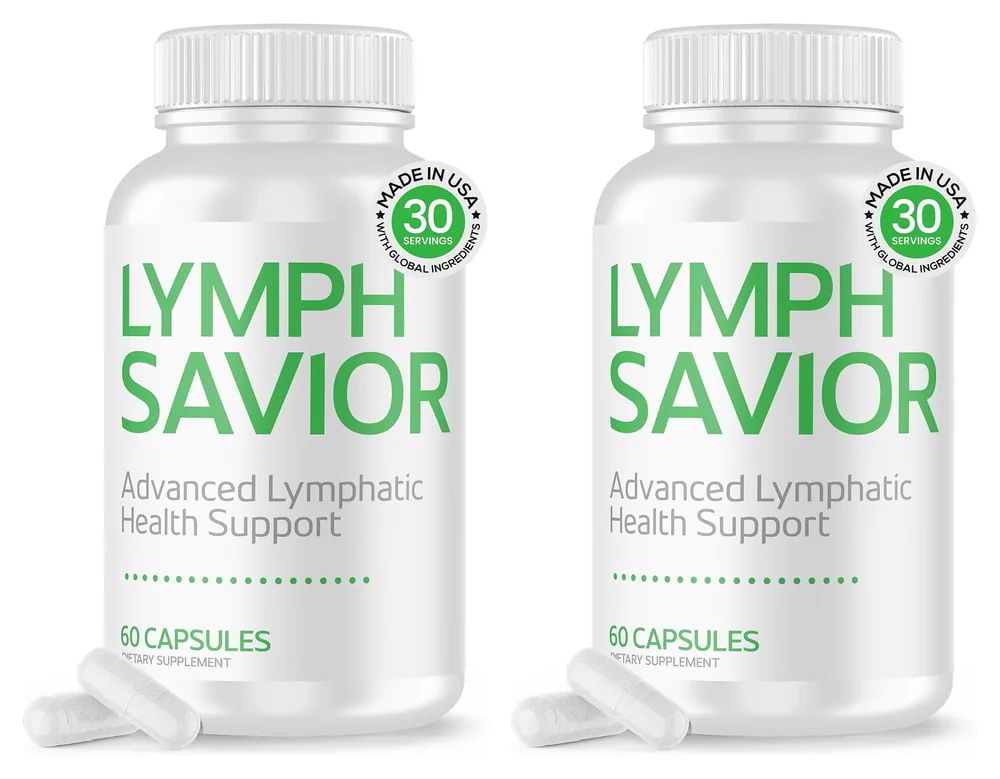
Give your lymph routine a daily companion
See current availability and pricing on Lymph Savior, a transparent once-daily blend for healthy lymph flow and fluid balance.
Get Offer