Dandelion Root for Lymph & Fluid Retention
By the LymphSavior Editorial Team · Reviewed against primary sources · Updated 14 August 2026 · about 9 min read
The humble lawn weed most people spend summers trying to kill is also one of the oldest fluid-balance remedies in the herbal cabinet — and the reason it turns up on so many detox labels. When people search for dandelion root lymphatic drainage, what they usually want to know is simple: does this potassium-rich plant actually help with puffiness and fluid retention, or is it just filler? This deep dive answers that honestly. Dandelion is a genuine, well-tolerated traditional diuretic with a plausible role in gentle fluid support — and it is also routinely oversold. We will separate what the plant genuinely does from what the marketing implies.
Does dandelion root support lymphatic drainage and fluid balance?
Dandelion root is a potassium-rich traditional diuretic used to support fluid balance and the body's detox pathways, which is why it features in lymph blends. It may gently ease temporary water retention and puffiness, but it is not a proven treatment for lymphatic drainage or medical swelling — frame it as everyday fluid-balance support alongside movement and hydration.
- Potassium-rich gentle diuretic that may reduce short-term water retention.
- Pairs naturally with cleavers and ginger in traditional lymph-support blends.
- Not for edema or lymphedema; caution with diuretic, blood-pressure and lithium medication.
What dandelion root actually is
Dandelion (Taraxacum officinale) is a food-grade plant used, quite literally, from root to flower. The leaves are eaten in salads, the flowers are made into wine, and the root is roasted as a coffee substitute. That culinary history is meaningful safety context: a plant people have eaten for centuries starts from a very different baseline than a novel isolated compound. In herbal medicine, the root is prized as a gentle liver and digestive tonic, while the leaf is the more diuretic part — a distinction worth knowing when you read a label.
Nutritionally, dandelion is a real contributor rather than a token green. It supplies vitamins A, C and K, plus minerals, and it is notably rich in potassium. That potassium detail is the single most interesting thing about dandelion for fluid balance, and it is where the next section starts.
Does dandelion root help with lymphatic drainage?
Here is the careful answer. Dandelion's traditional role in fluid balance is real, and its potassium content makes it unusual among diuretics. Most diuretics flush potassium out along with water, which is why they can leave people depleted; dandelion leaf, by contrast, supplies potassium as it works, which herbalists have long considered a self-balancing advantage. So as a gentle nudge to fluid balance and the body's ordinary detox pathways, dandelion has a sensible, plausible rationale.
What the evidence does not support is the leap from "gentle diuretic" to "drains your lymphatic system." No well-designed human trial has shown that oral dandelion root measurably increases lymphatic drainage. Water retention and lymphatic flow overlap in how they feel — both can make you look and feel puffy — but they are different processes. A herb that helps you shed a little temporary water is not the same as one that moves lymph through the vessels. Dandelion belongs firmly in the gentle, traditional-support column, not the proven-treatment one.
Can dandelion reduce water retention and puffiness?
This is where dandelion is at its most believable. If a plant nudges the kidneys to release a bit more fluid, it can, in principle, ease the temporary water retention that leaves ankles, fingers or a face feeling swollen after a salty meal, a hormonal shift or a long-haul flight. Plenty of people notice exactly this kind of modest, short-term de-puffing, and it is the most honest benefit to expect from dandelion in a blend.
Two things keep it modest and honest. First, dandelion's diuretic strength has not been precisely quantified in controlled human studies, so it is gentle and variable rather than dependable like a prescription diuretic. Second, easing occasional puffiness is worlds apart from treating persistent or one-sided swelling, which can signal something that needs medical attention. If your goal is knowing when everyday puffiness is normal and when it is a flag, our guide to the signs you might need a lymphatic detox is a useful, grounded read before you reach for any supplement.

Root versus leaf: which part actually helps fluid balance
Most labels simply say "dandelion," but the plant is really two ingredients with different jobs, and knowing the difference makes you a smarter shopper. The leaf is the more diuretic part — it is where the potassium and the fluid-shifting reputation are concentrated, so it is the piece most relevant to puffiness and water retention. The root, by contrast, is traditionally used as a gentler liver and digestive tonic and is valued for supporting the body's normal detox and bile pathways rather than for pushing fluid. Many well-built blends use both, precisely because they cover complementary angles of the same "feeling lighter" goal.
This matters when you compare products. A formula that leans heavily on root is making a digestive- and detox-support argument; one that features leaf is making a fluid-balance argument. Neither is wrong, but they are not identical, and a label that lumps them together as one line tells you less than one that specifies the part. If your main goal is easing occasional puffiness, dandelion leaf content is the detail worth looking for — and it is another reason a transparently labelled blend beats a vague "proprietary" one every time.
Why dandelion pairs so well with other lymph herbs
Dandelion rarely works alone in a formula, and that is by design. In traditional practice it is teamed with cleavers — the classic lymph mover — and with ginger, whose warming, circulation-supporting action complements dandelion's fluid nudge. The logic is that circulation, gentle diuresis and lymphatic support are overlapping levers on the same "feeling lighter" outcome, so a small amount of several well-chosen herbs is more sensible than a heroic dose of one.
If you want to see how the whole team fits together, our overview of the lymph cleanse herbs that move lymph fluid profiles cleavers, red clover, ginger and the rest alongside dandelion, and our companion piece on burdock root for lymphatic support covers the other cleansing root you will usually find beside it. Read together, they explain why a balanced blend is generally a smarter buy than a single-herb bottle.
Want dandelion root already paired with cleavers and ginger?
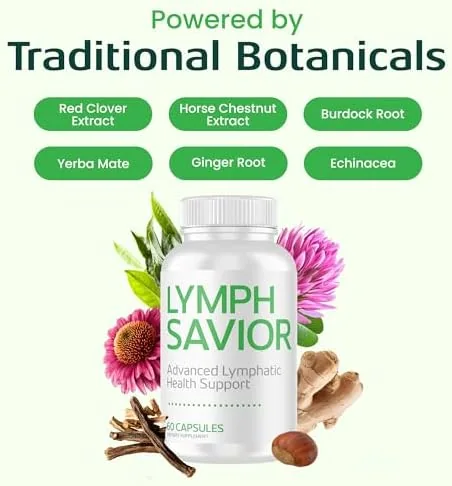
Lymph Savior blends dandelion with the other traditional lymph-support botanicals in one daily capsule — see the current formula, dosing and pricing on the official store.
See the Lymph Savior FormulaHow much dandelion root is in a lymph supplement?
The honest answer is that there is no universal dose, and anyone who quotes you a precise number without reading the label is guessing. Traditional dandelion teas are made with a few grams of dried root or leaf; standalone capsules vary widely; and in a multi-ingredient blend like Lymph Savior, dandelion is one botanical among several, so its amount is set by the product's Supplement Facts panel rather than by any industry standard. Where a verified milligram figure is not printed on the label, the responsible move is to say it is unstated rather than invent one.
Two practical rules follow. Do not stack multiple dandelion products at once thinking more equals better — with a gentle diuretic, that mostly raises the odds of side effects without a matching payoff. And favour transparently dosed formulas over "proprietary blends" that hide the individual amounts, because with fluid-balance herbs the dose really is the difference between a token gesture and a genuine contribution.
The best-evidenced ways to reduce everyday puffiness — movement, hydration and cutting excess sodium — are free. Dandelion root can sit on top of those basics; it cannot replace them, and it cannot treat medical swelling.
Side effects and drug interactions with dandelion
For most healthy adults, dandelion is well tolerated — but this is the section that matters most, so read it before you start. The clearest caution is allergy: dandelion is in the Asteraceae (daisy) family, so people who react to ragweed, marigolds, chrysanthemums or daisies may react to it too. Because it is a diuretic, it can add to the effect of prescription diuretics and blood-pressure medication, potentially affecting fluid and electrolyte balance, and it may lower blood sugar, which matters if you take diabetes medication.
There are two interactions worth flagging in bold. Dandelion may reduce how well the body clears lithium, so anyone on lithium should avoid it unless a clinician is supervising. And because dandelion stimulates bile flow, people with gallbladder problems, bile-duct obstruction or active kidney issues should be cautious. Pregnancy, nursing, and the couple of weeks before planned surgery are also sensible times to pause it. For the fuller picture across the whole category, see our breakdown of lymphatic detox supplement safety and side effects. As always, talk to a qualified healthcare professional before starting dandelion if you take medication or manage a health condition.
The bottom line on dandelion root
Dandelion root and leaf are food-grade, well-tolerated botanicals with a genuine, potassium-rich gentle-diuretic reputation — which is exactly why they belong in a fluid-balance and lymph-support blend. The realistic benefit is modest, short-term relief of everyday puffiness and water retention, best enjoyed on top of movement, hydration and lower sodium. What dandelion is not is a proven lymphatic drainage treatment or a fix for edema or lymphedema, and it carries real interaction cautions worth respecting. Judged on those honest terms — gentle fluid-balance support, not a cure — dandelion root is a sensible, low-risk ingredient rather than a miracle one.
Frequently asked questions
Does dandelion root help with lymphatic drainage?
Dandelion root is traditionally used to support fluid balance and the body's normal detox pathways, and its gentle-diuretic action is the reason it appears in lymph-support blends. It has not been proven in human trials to measurably increase lymphatic drainage, so it is best framed as gentle fluid-balance support that complements movement and hydration rather than a treatment that drains the lymphatic system on its own.
Can dandelion reduce water retention and puffiness?
Dandelion, especially the leaf, is a potassium-rich traditional diuretic, which means it may gently increase urine output and ease the temporary water retention that leaves you puffy after salty food, hormonal shifts or a long flight. The effect is modest and short-term. It is genuine everyday fluid support, not a fix for persistent or medical swelling such as edema or lymphedema, which need a clinician.
How much dandelion root is in a lymph supplement?
There is no universal dose. In a multi-ingredient blend such as Lymph Savior, dandelion is one botanical among several, so the exact milligram amount is set by the product's Supplement Facts panel rather than a fixed standard. Traditional teas use a few grams of root, while capsule blends vary widely. Follow the label, and where a verified amount is not printed, treat the figure as unstated rather than guessing.
Are there side effects or drug interactions with dandelion?
Dandelion is well tolerated by most healthy adults, but there are real cautions. People allergic to ragweed and related daisy-family plants may react to it. Because it is a diuretic and potassium-rich, it can interact with prescription diuretics, blood-pressure medication and lithium, and it may affect blood sugar. Anyone pregnant, nursing, on these medications or with gallbladder or kidney issues should speak to a clinician before using it daily.
Related reading
Try dandelion root in a balanced lymph-support blend
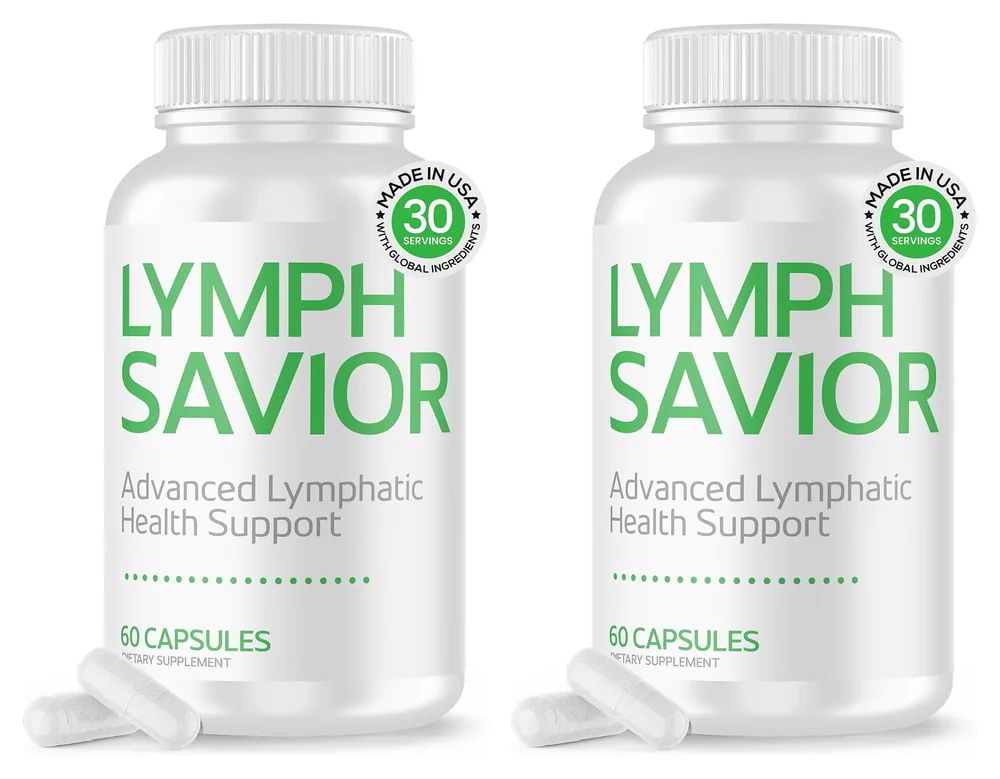
Lymph Savior pairs dandelion with cleavers, ginger and more — see the full formula, dosing and today's pricing on the official store.
Get Offer