Lymph Savior Official Website › Choosing A Lymphatic Supplement
Choosing A Lymphatic SupplementChoosing a lymphatic supplement: a nine-point checklist, with this one scored
Nine questions, each answerable from a label or a returns page before spending anything. Below the checklist the product this desk sells is scored against it, line by line, and it takes 1 out of 5 on three of the nine. A checklist that only ever produces good scores is a sales page wearing a costume.
How to judge any bottle in this category, and what happens when the test is applied to the one being sold here.
The nine-point checklist
1. Amounts, not just names
A Supplement Facts panel with a figure beside each ingredient. Without it, nothing about the product can be compared with anything published. A proprietary blend total is weaker but better than nothing.
2. Standardisation
For any extract with an active fraction, the percentage. Horse chestnut seed standardised to aescin is the case that matters most in this category, and NCCIH explains why.
3. Plant part
Seed, leaf, root, aerial parts. The evidence for a plant usually attaches to one part of it, and a label that omits the part has given you less than it looks like.
4. Serving and supply
Capsules per bottle divided by capsules per serving. It tells you how long a pack lasts and therefore what a pack actually costs per day.
5. Evidence behind the ingredients
Not the blend, which has never been trialled, but each plant. Look for the condition studied as well as the result: most of this category’s evidence is in veins rather than lymph.
6. The guarantee
Length, opened bottles included or not, and whether it runs from purchase or from delivery. A window shorter than the wait cannot answer the question you are asking.
7. Batch traceability
A lot number on the bottle and somebody who can match it to your order. Contents that do not match labels are a documented problem in this industry.
8. A human contact route
A phone number, and clarity about which address can actually see an order. An address that cannot start a refund should say so.
9. A price you can see before you commit
A figure on the page, not at the end of a funnel. Without it there is no comparison shopping, and comparison shopping is most of what a checklist is for.
Lymph Savior scored against those nine points
| Checklist point | Answer | Score | Why |
|---|---|---|---|
| Does the label print amounts? | No | 1 / 5 | There is no Supplement Facts panel on the bottle, on the brand’s ingredient graphic or on the seller’s page. Six names and no figures. This is the worst line on the scorecard and it is not close. |
| Is the extract standardised? | Not stated | 1 / 5 | The label names horse chestnut extract from the seed and says nothing about standardisation, which is the one qualifier that matters most for that particular plant. |
| Are plant parts specified? | Yes | 5 / 5 | Leaves and flowers for red clover, seed for horse chestnut, aerial parts for Centella, root for burdock and red root, leaves for yerba mate. That is more precision than many labels in this category offer. |
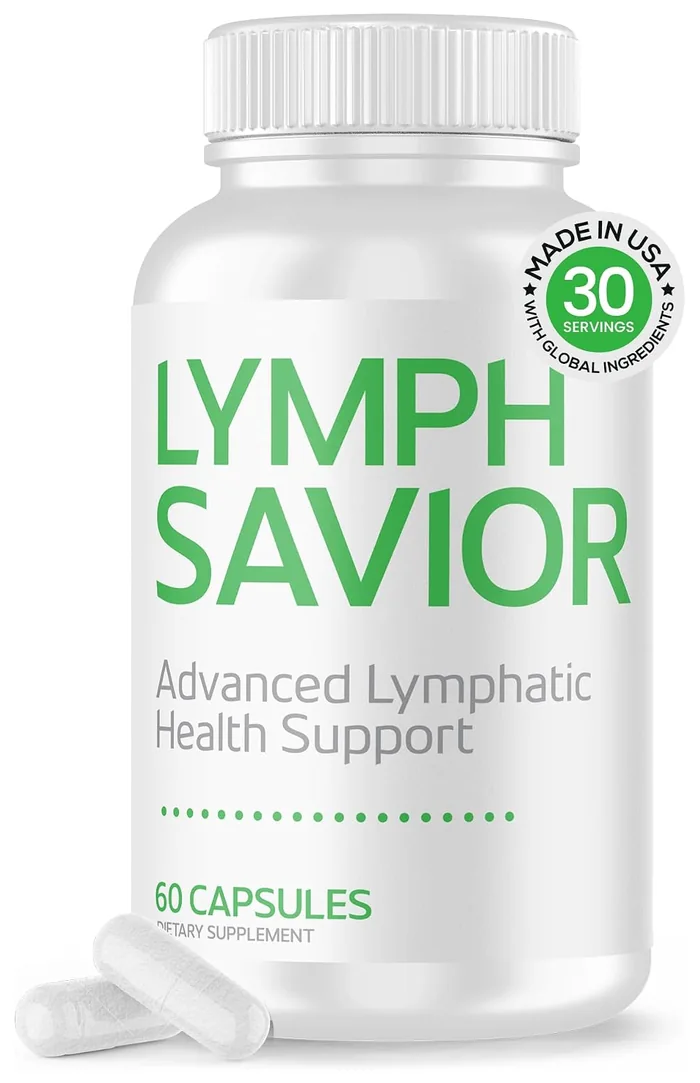
| Is the serving and supply clear? | Yes | 5 / 5 | Sixty capsules, thirty servings, two capsules daily. One bottle is one month and the arithmetic needs no assumptions. |
| Do the ingredients have any evidence? | Partly | 3 / 5 | Two of six have a genuine clinical record and it is in chronic venous insufficiency. One of six has none at all. |
| Is the guarantee usable? | Yes | 5 / 5 | 180 days from the date of purchase, opened bottles included. That is roughly six times the wait reviewers describe. |
| Is there a batch reference? | Yes | 4 / 5 | Lot and best-before on the base, with a certificate reference on the paperwork. No certificate of analysis is published, which costs it a point. |
| Is there a human contact route? | Yes | 5 / 5 | A phone number that can see an order, and an editorial address that says plainly that it cannot. |
| Is the price visible before checkout? | No | 1 / 5 | The seller publishes none. Comparison shopping is not possible in advance, which is a real cost to the buyer and is the second-worst line here. |
Thirty out of forty-five, which is 3.3 out of 5. Three lines score 1, and two of those three are the most important lines on the list.
The shape of that scorecard is worth more than the total. This product does the mechanical things well: the serving is clear, the plant parts are specified, the guarantee is long and usable, the batch is traceable and somebody answers the phone. It does the informational things badly: no amounts, no standardisation, no price before the checkout.
A buyer who needs to know what they are taking should not buy this one, and that is a reasonable position for a reader of this page to reach. A buyer who wants a simple traditional blend as a daily habit, is walking anyway, and intends to use the 180-day window properly is buying something quite different, and for them the low scores matter less than the high ones.
Three mistakes people make in this category
Buying one bottle and judging at day ten
Nothing on any label in this category has a ten-day literature. The trials run twelve weeks. One bottle of most products is thirty days, which is the earliest point anyone reports anything.
Treating a seal as evidence
GMP, FDA-registered, non-GMO, natural and doctor formulated are statements about a building, a process, an absence, an adjective and an unnamed person. None of them says anything about whether the formula works.
Skipping the free interventions
Walking, elevation and compression have better evidence than anything in a capsule and two of them cost nothing. A supplement stacked on top of them is a reasonable experiment; a supplement instead of them is a worse bet than doing nothing new at all.
Sources for this checklist
- National Center for Complementary and Integrative Health. Horse Chestnut. States that raw seeds, bark, flowers and leaves are unsafe taken by mouth because they contain a toxic component, that STANDARDISED seed extracts with that component removed are likely safe for short-term use, and that the research record covers up to 12 weeks. https://www.nccih.nih.gov/health/horse-chestnut
- Pittler MH, Ernst E. Horse chestnut seed extract for chronic venous insufficiency. Cochrane Database Syst Rev. 2012;11(11):CD003230. Seventeen randomised trials: leg pain improved in six of seven placebo-controlled trials, and six trials (n=502) gave a weighted mean leg-volume reduction of 32.1 mL. The review calls the trials suggestive rather than definitive. PMID 23152216. https://pubmed.ncbi.nlm.nih.gov/23152216/
- Chong NJ, Aziz Z. A Systematic Review of the Efficacy of Centella asiatica for Improvement of the Signs and Symptoms of Chronic Venous Insufficiency. Evid Based Complement Alternat Med. 2013;2013:627182. Eight trials; pooled results favoured Centella on microcirculatory measures including ankle swelling rate, with the authors warning that inadequate reporting leaves the risk of bias unclear. PMID 23533507. https://pubmed.ncbi.nlm.nih.gov/23533507/
- Martinez-Zapata MJ, Vernooij RW, Simancas-Racines D, et al. Phlebotonics for venous insufficiency. Cochrane Database Syst Rev. 2020;11(11):CD003229. Sixty-nine randomised trials of oral phlebotonics, Centella asiatica among the drugs assessed; moderate-certainty evidence that they reduce oedema slightly, with more adverse events than placebo. PMID 33141449. https://pubmed.ncbi.nlm.nih.gov/33141449/
- Halegoua-DeMarzio D, Navarro VJ, Davis A, et al. Investigation of the Role of Chemical Analysis in Causality Assessment of Herbal and Dietary Supplement-Induced Liver Injury. Drug Saf. 2025;48(2):143-150. Chemical analysis of the implicated products repeatedly found contents that did not match the label. PMID 39354283. https://pubmed.ncbi.nlm.nih.gov/39354283/
- National Center for Complementary and Integrative Health. Using Dietary Supplements Wisely. What a supplement label can and cannot tell a buyer, and why a herb is worth raising with whoever prescribes your medicines. https://www.nccih.nih.gov/health/using-dietary-supplements-wisely
- National Cancer Institute. Lymphedema. Describes compression, skin care, exercise and manual lymphatic drainage as the management that is actually used, and the signs that need a clinician. https://www.cancer.gov/about-cancer/treatment/side-effects/lymphedema
Read further on this Lymph Savior website
Use the checklist on Lymph Savior, and on whatever else you were considering
Thirty out of forty-five here. Run the same nine questions on the next bottle and the comparison is real.
Four pack sizes, priced at the seller’s checkout, with 180 days from purchase on every one
Choose A Lymph Savior PackSwallowed whole, two a day with 6–8 oz of water, 60 to a bottle. Batch LYM-26/LY-5549, shipped from the United States.